Some places do not need to try very hard to win you over. Santa Luzia is one of them.
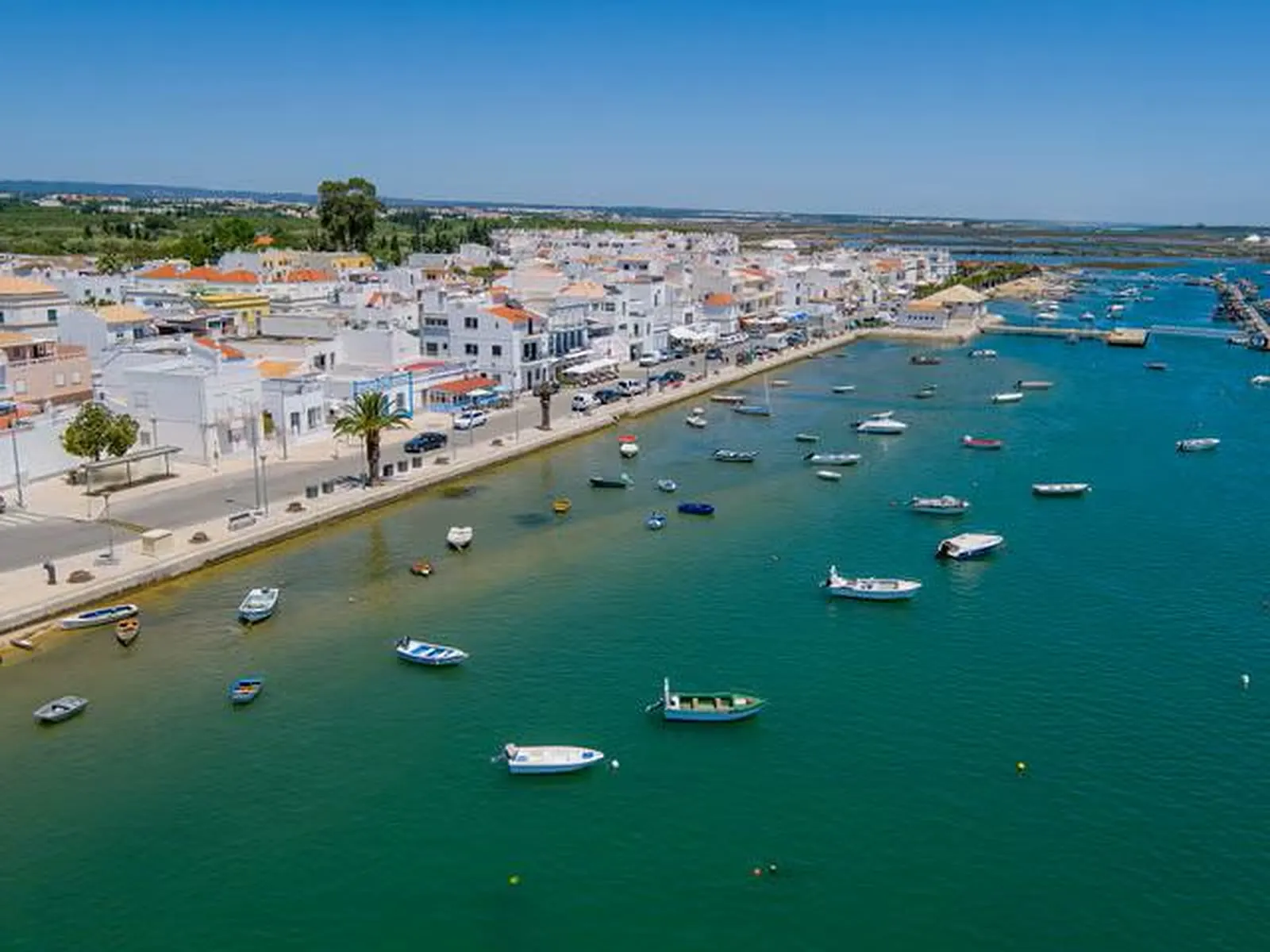
A few kilometres from Tavira, this small fishing village still lives facing the Ria Formosa. The boats come back in, the tides turn, the café terraces fill up without any rush and, late in the afternoon, there is always someone sitting and looking at the water.
The octopus capital
Santa Luzia is known as the Octopus Capital, and not by chance. Octopus fishing is part of the village's history and identity. It is still done the old way, with alcatruzes: pots tied to long lines and laid on the seabed, where the octopus crawls in looking for shelter. Along the waterfront, the stacks of pots and traps next to the boats tell that story better than any sign could.
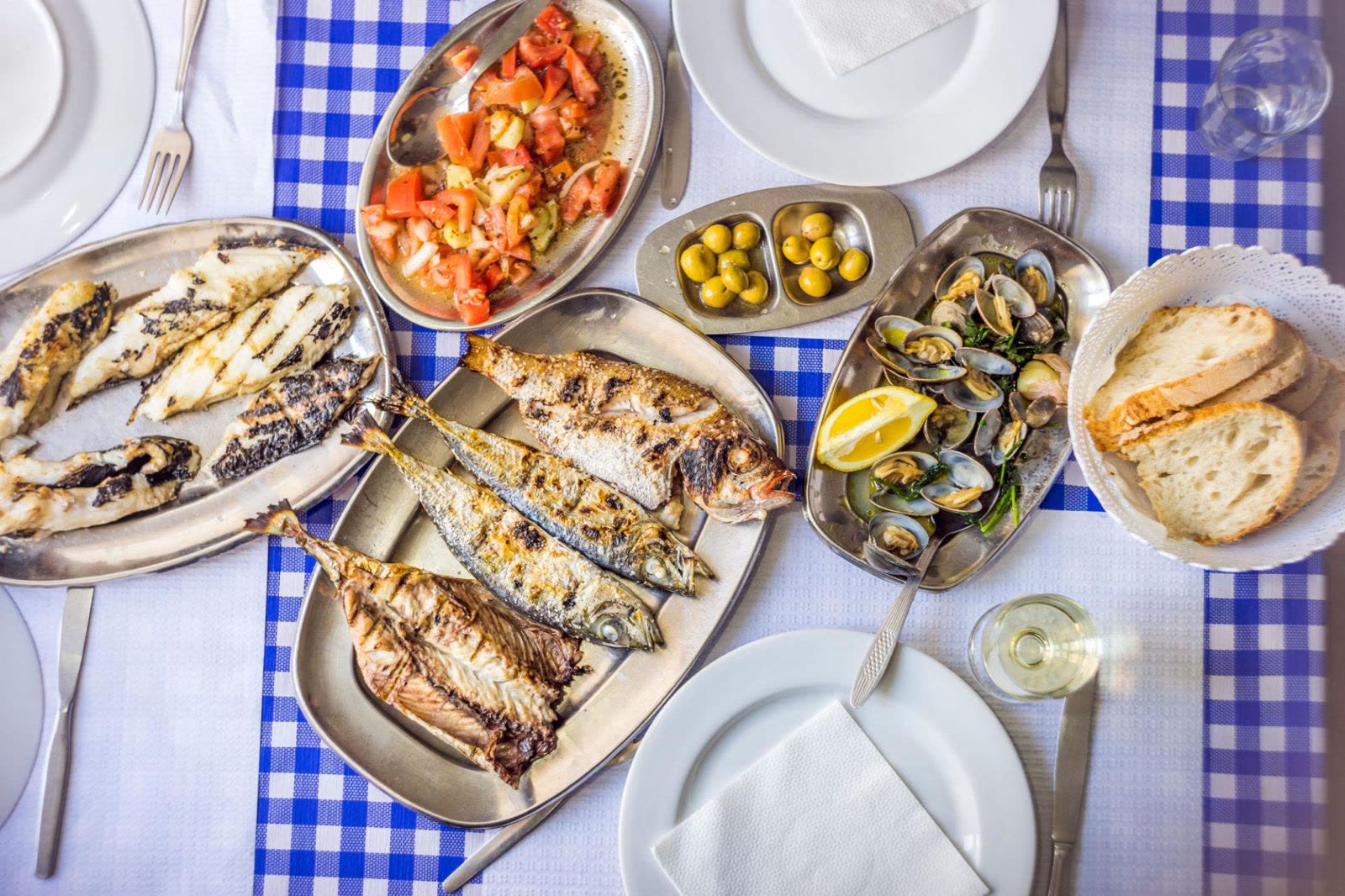
In the restaurants along the waterfront, octopus comes in many forms: à lagareiro, roasted with potatoes and plenty of olive oil, in rice, grilled, or in recipes handed down through generations. A tip from people who live here: ask what the dish of the day is. It rarely disappoints.
A village made for slow days
But Santa Luzia is much more than its food. Step away from the waterfront for a moment and you find quiet streets, traditional houses and small details that show the daily life of a community still closely tied to the sea. Nets drying by a door. A chat between neighbours. A cat asleep in the sun on a doorstep.
The pace is different here. Early in the morning the boats come in and the corner café already has its regulars. In the late afternoon the waterfront becomes one long stroll, with the light dropping over the lagoon and the boats rocking gently. If you like days like that, you will also like Slow days in Tavira.
And then there are the beaches
Terra Estreita beach, reached by boat during the beach season, is one of the quietest in the region. The boat leaves from the village itself and the crossing takes only a few minutes. On the other side you will find a long stretch of sand, clean water and hardly any sound apart from the sea.
Barril beach is right next door, reached from Pedras d'El Rei. You cross the lagoon on a footbridge and then carry on through the dunes, either on foot for just over a kilometre or on the little train that runs along the track. For decades Barril was a tuna fishing station, and the old fishermen's houses are now cafés and restaurants.
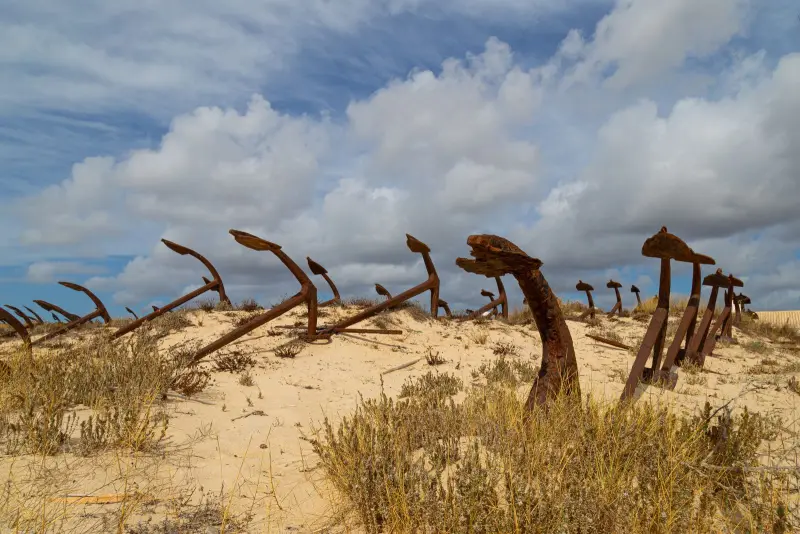
The anchor cemetery
On the dune at Barril there is a sight nobody forgets: dozens of rusted anchors lined up in the sand, as if they were still waiting for a boat. They held the nets of the tuna fishery and were left there when that fishing ended, in the 1960s. Today it is one of the most photographed spots in the Algarve, and somehow it still feels quiet.
When to go
Santa Luzia is worth a visit at any time of year. In summer the boats to Terra Estreita are busy and so are the terraces, so book a table for dinner. Outside the season the village belongs to the people who live here, many restaurants stay open and the octopus is just as good. For us, Santa Luzia is perhaps at its best in the quieter months.
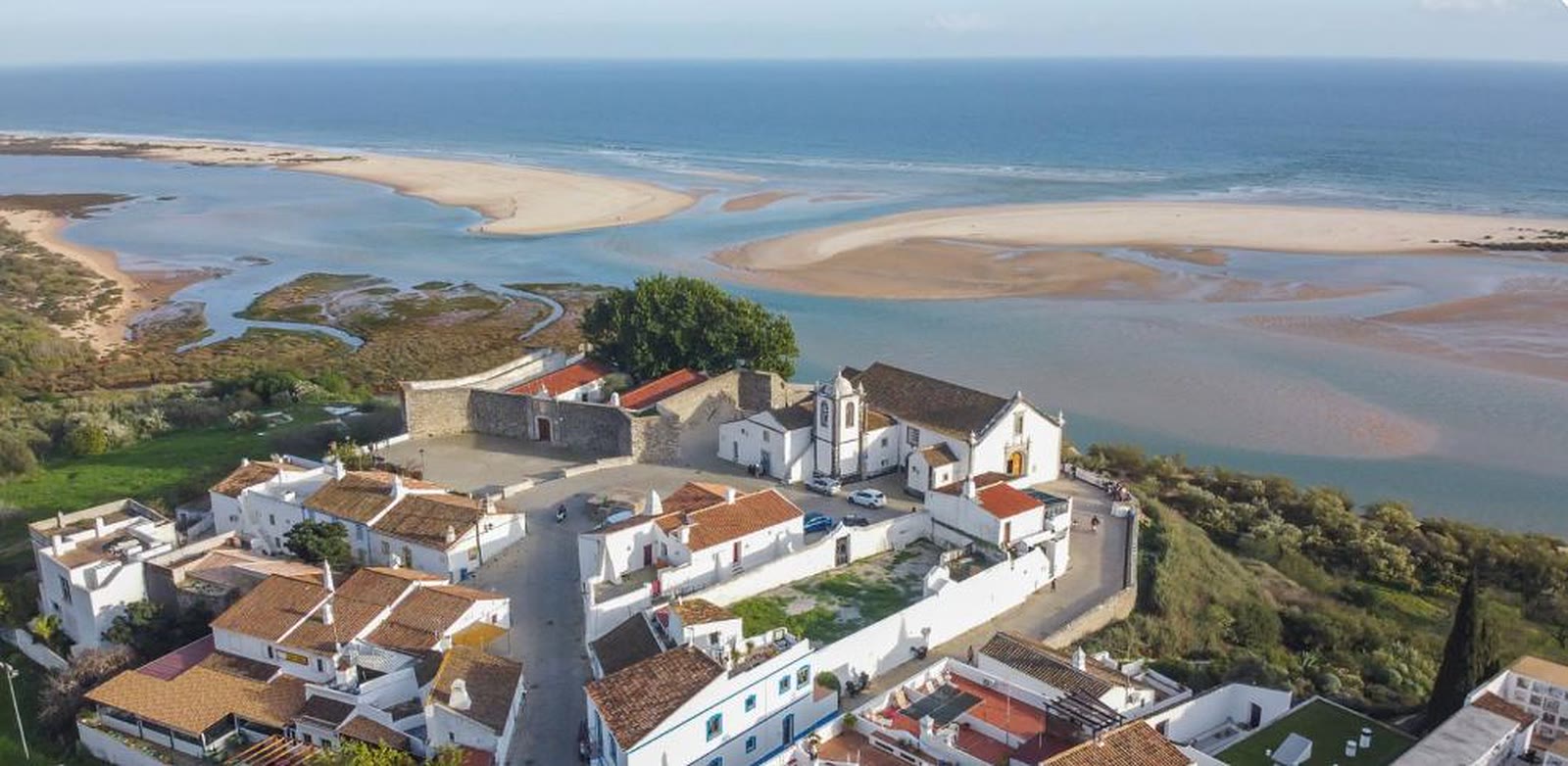
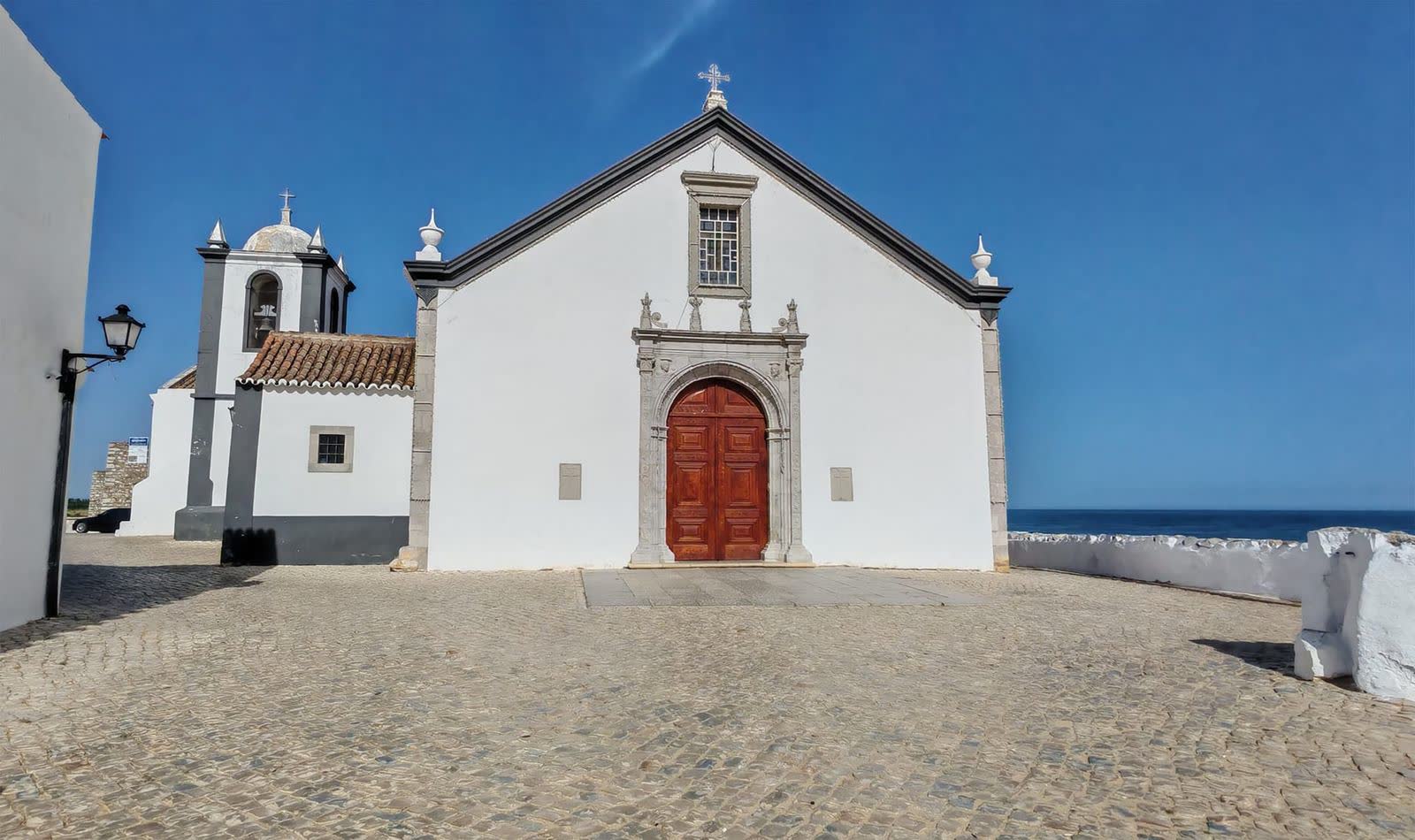
It is five minutes by car from Tavira, and by bike it is a short, flat ride. If you have not yet been to nearby Cacela Velha, put the two together on the same day.
A good place to stay
We like Santa Luzia so much that two of the homes we manage are right here. Waking up near the lagoon, walking to dinner for octopus and catching the boat to the beach without touching the car: it is hard to ask more of a holiday in the Eastern Algarve. Have a look at our houses.
Want to stay in Santa Luzia?
Casa da Ria and Casa Sol are right here in Santa Luzia, and our other homes in Tavira and nearby are only minutes away. Stay a week, or a little longer.