There is a very simple way to start getting to know the Eastern Algarve: sit down at the table.
Ideally without hurrying, with fresh bread, olive oil, olives and time to decide what comes next.
The food here is deeply tied to the sea, the lagoon and the land. It is a cooking that grew out of whatever was available, the seasons and recipes passed down within families. Perhaps that is why it is still one of the most genuine expressions of Algarve culture.
From the sea to the table
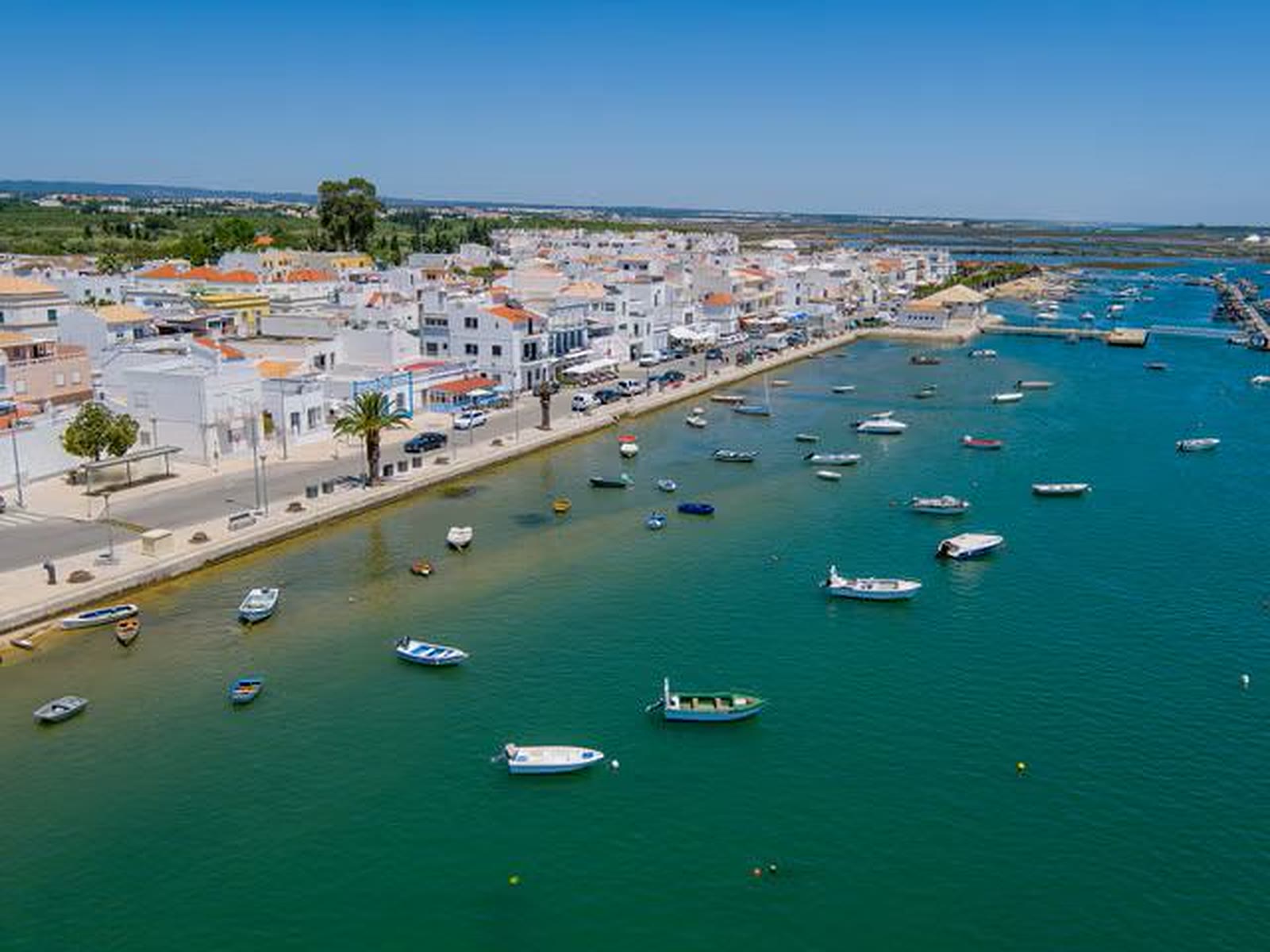
In Santa Luzia, octopus is almost an institution. The village became known for octopus fishing, and today it takes pride of place on local menus. It can be served à lagareiro, roasted with potatoes and plenty of olive oil, grilled, in rice or in a fresh salad. Every restaurant has its own way of cooking it and, naturally, there is always someone who insists they know the best one. We wrote more about the village in Santa Luzia: the village that lives facing the lagoon.
Further west, in Olhão, fish and seafood are at the heart of a food tradition that is still very much alive. The market, with its two red-brick buildings on the edge of the lagoon, is the best place to see it. On Saturday mornings the stalls fill up with fish just off the boats, fruit in season and conversations that start with the price and end with the recipe. In August, the Seafood Festival brings the whole town to the table.
This is also where the cataplana makes most sense: seafood, fish or pork cooked slowly in a closed copper pan that is only opened in front of the people about to eat. The smell that escapes at that moment is part of the dish.
You can eat the lagoon, too
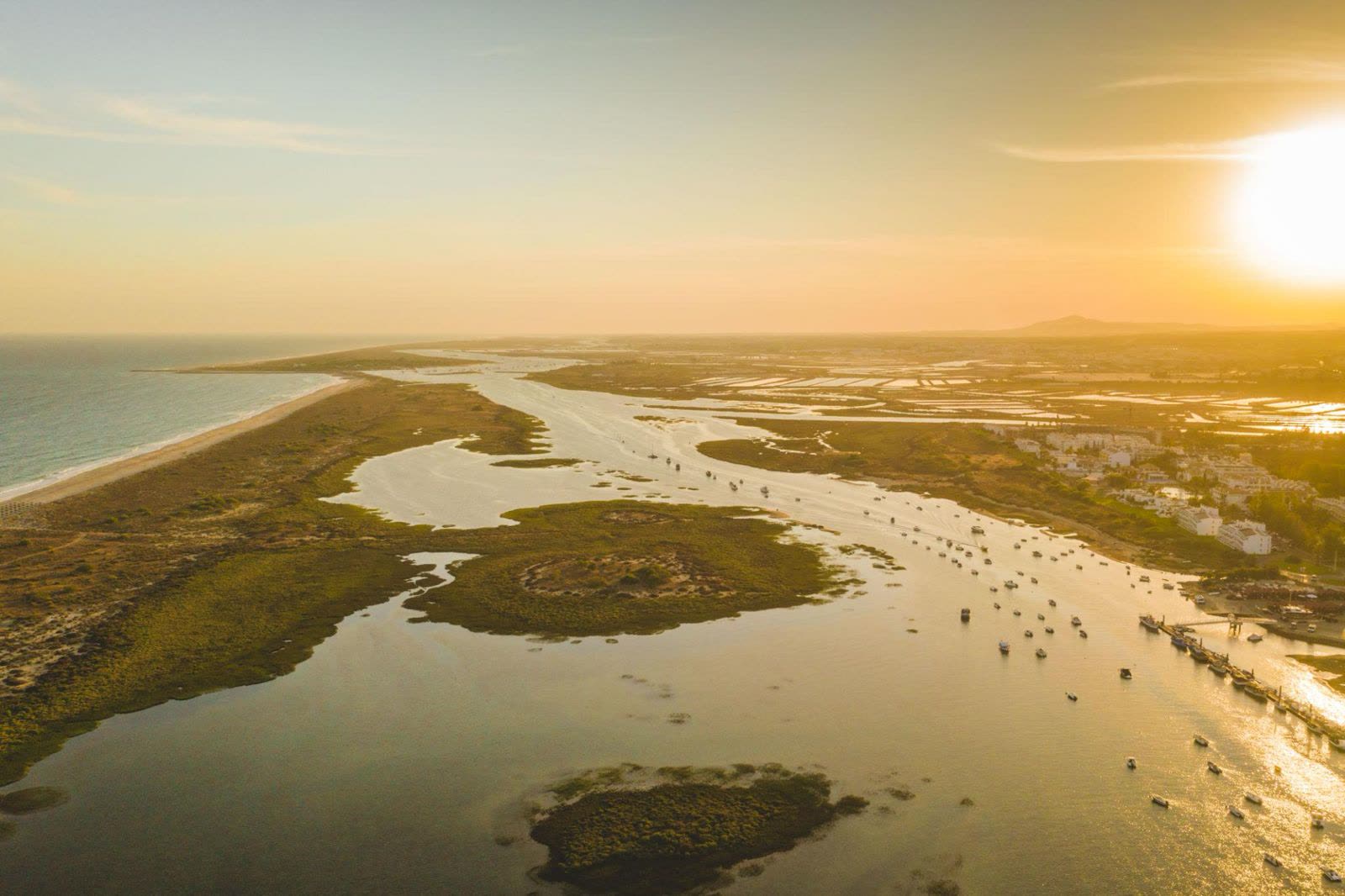
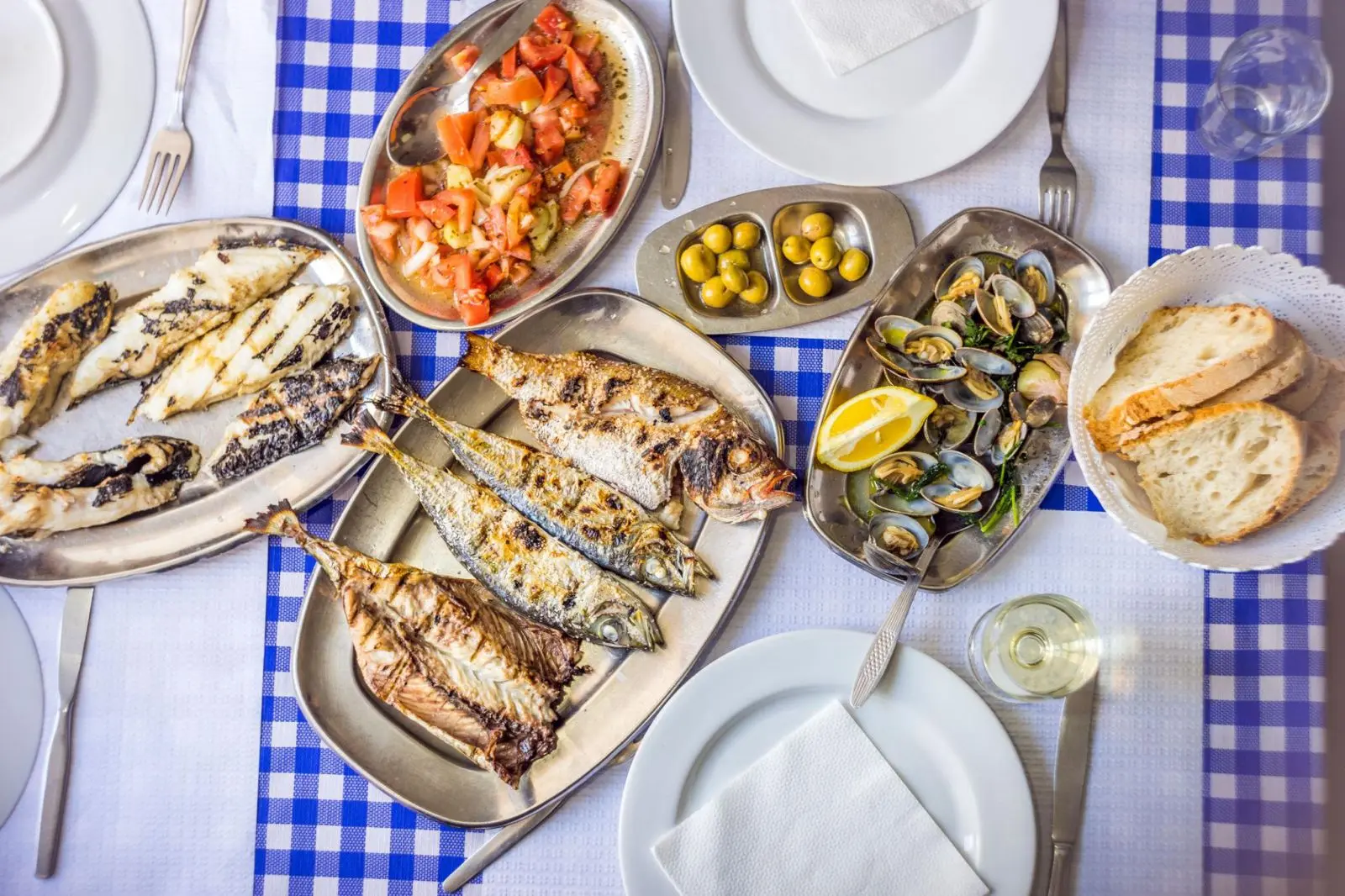
Between Faro and Cacela, the Ria Formosa is one enormous larder. It gives the region its clams, cockles, wedge shells, razor clams and oysters. Clams with garlic and coriander, razor clam rice, xerém with wedge shells, a kind of soft cornmeal: simple dishes that depend on the freshness of what was gathered that morning.
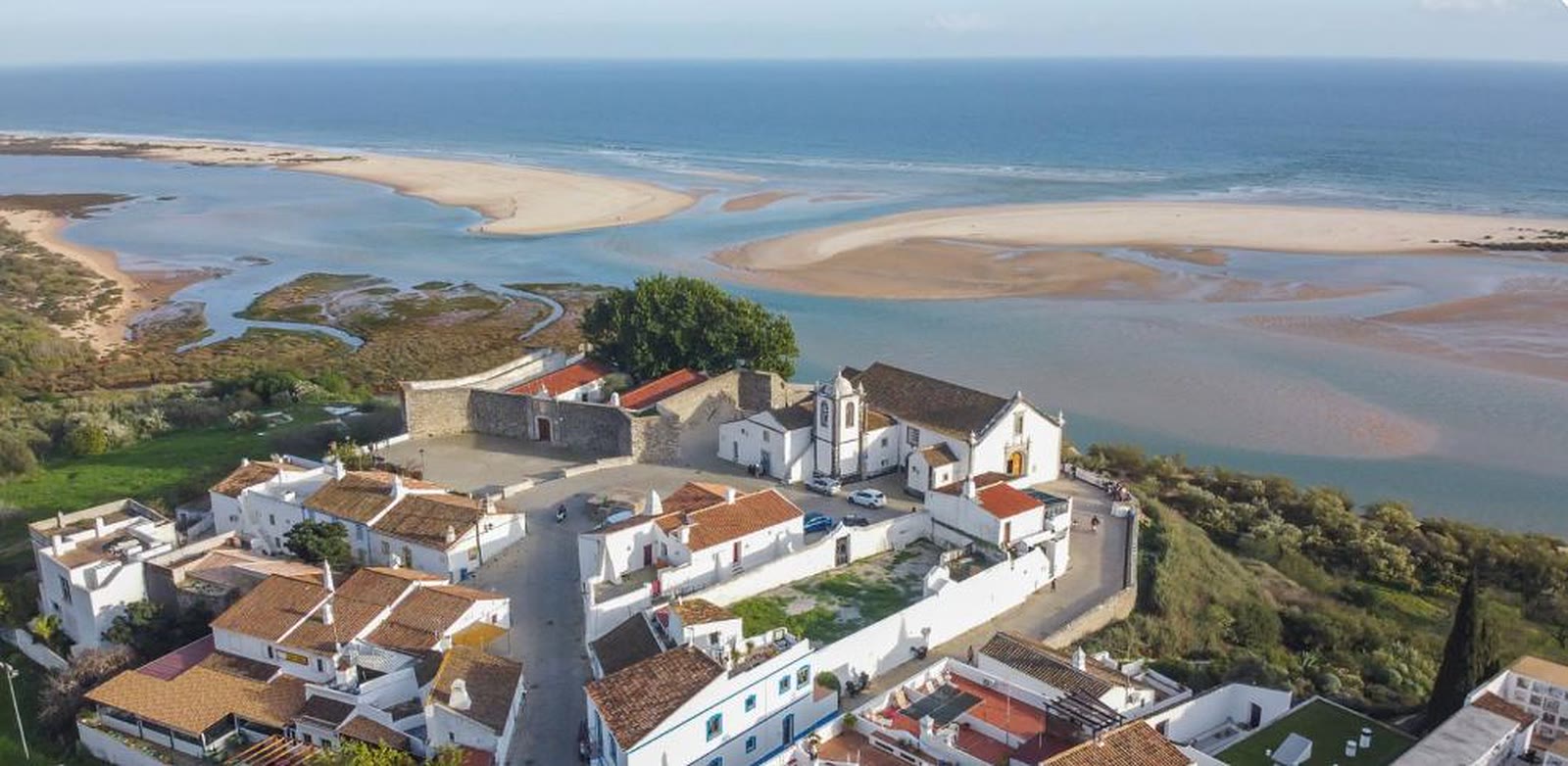
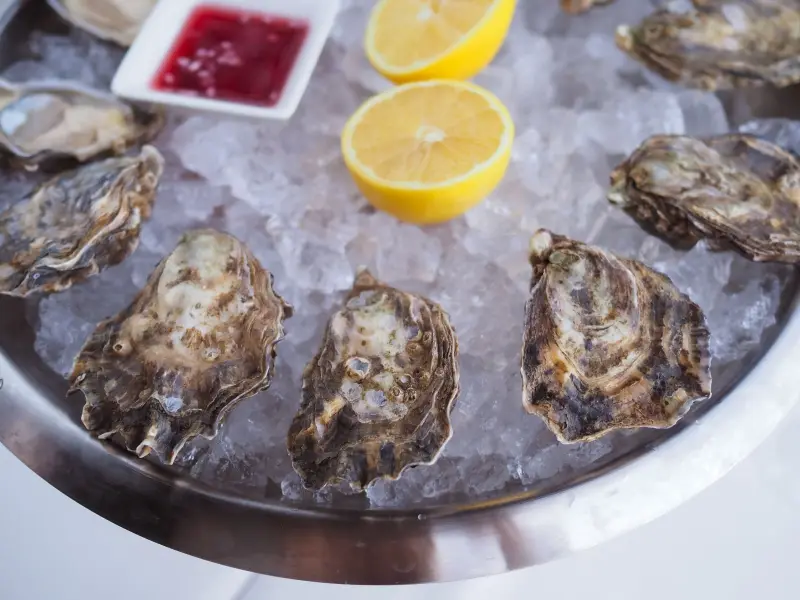
Oysters deserve a trip to Cacela Velha or Fábrica, where you eat them with lemon, looking out over the oyster beds. We wrote about that in Cacela Velha: where time seems to have stopped.
Tavira and tuna
For centuries, tuna was Tavira's great fish. The fishing stations off the coast gave work to entire villages, and the memory of that time lives on in the food. Estupeta de atum, a fresh tuna salad with tomato, pepper and onion, is a Tavira speciality. Muxama, tuna cured in salt and dried in the sun, is sliced paper-thin and eaten with a drizzle of olive oil. And atum de cebolada, tuna slowly stewed with lots of onion, is well worth trying.
From the hills and the orchards
Not everything comes from the sea. A few kilometres inland the Caldeirão hills begin, with more of a winter kitchen: pork, cured sausages, chickpeas and warming soups. In the barrocal, the band of land between the hills and the coast, figs, almonds, carob and oranges grow, and they go into many of the region's sweets. Then there is medronho, the strawberry tree brandy from the hills, which appears at the end of a meal for anyone brave enough.
And to finish, something sweet
Algarve sweets are built on figs and almonds. Morgados, little fig cheeses and dom rodrigos wrapped in coloured paper turn up in pastry shops and at the end of many meals, nearly always next to a bica, the local espresso. They are small and intense. One is enough. Two is entirely understandable.
A few tips for eating well
Order the fish of the day. It is usually sold by weight and grilled over charcoal, and it is often the best thing on the menu. The bread, olives and cheese that arrive at the start of the meal are not free: if you do not want them, you can ask for them to be taken away. In summer, book a table for dinner. And try the local wine, because Tavira even has its own designation of origin.
Nobody here will look at the clock if dessert arrives at four in the afternoon. As we have said before, in the Eastern Algarve lunch can easily become the rest of the afternoon.
A region you get to know at the table
In the end, eating in the Eastern Algarve is a way of listening to the region. Every dish tells you where it comes from: the boat that came in that morning, the oyster bed in the lagoon, the fig tree in the garden, the grandmother who never wrote the recipe down. All you need to do is sit down, ask for a little more bread and let the conversation happen.
If you are staying in one of our homes, ask us where to eat. We have our favourites, and we are always happy to share them.
Come and taste the Eastern Algarve
Our homes in Tavira, Santa Luzia, Manta Rota and nearby are only minutes from the best tables in the region. Stay a week, or a little longer.